A calm gut is a happy dog
Why the gut lining matters, what “sensitive stomach” really means, and how routine helps.
By the AminoTails Science Team · Reviewed by our veterinary advisory board* · August 2026
Key takeaways
- The gut lining is a single layer of cells — and it renews every few days.
- Routine does most of the work: same food, slow changes, steady mealtimes.
- What ends up in the bag is data. Keep track of it.
One cell thick
Between everything your dog eats and the rest of their body sits a lining just one cell thick. Those cells are joined by tight junctions that decide what gets through, and the whole layer is replaced every few days — one of the fastest-renewing tissues in the body.
That pace is a strength and a vulnerability. A lining that renews quickly needs steady building blocks and a calm environment to keep up.
What “sensitive stomach” usually looks like
- Loose or inconsistent stool, especially after food changes
- Gurgling, gas or a tight belly after meals
- Eating grass urgently, or licking floors and paws
- Skipping breakfast but eating dinner, or the reverse
None of these are a diagnosis on their own. Together, over weeks, they’re a pattern worth tracking.
Routine does a lot of the work
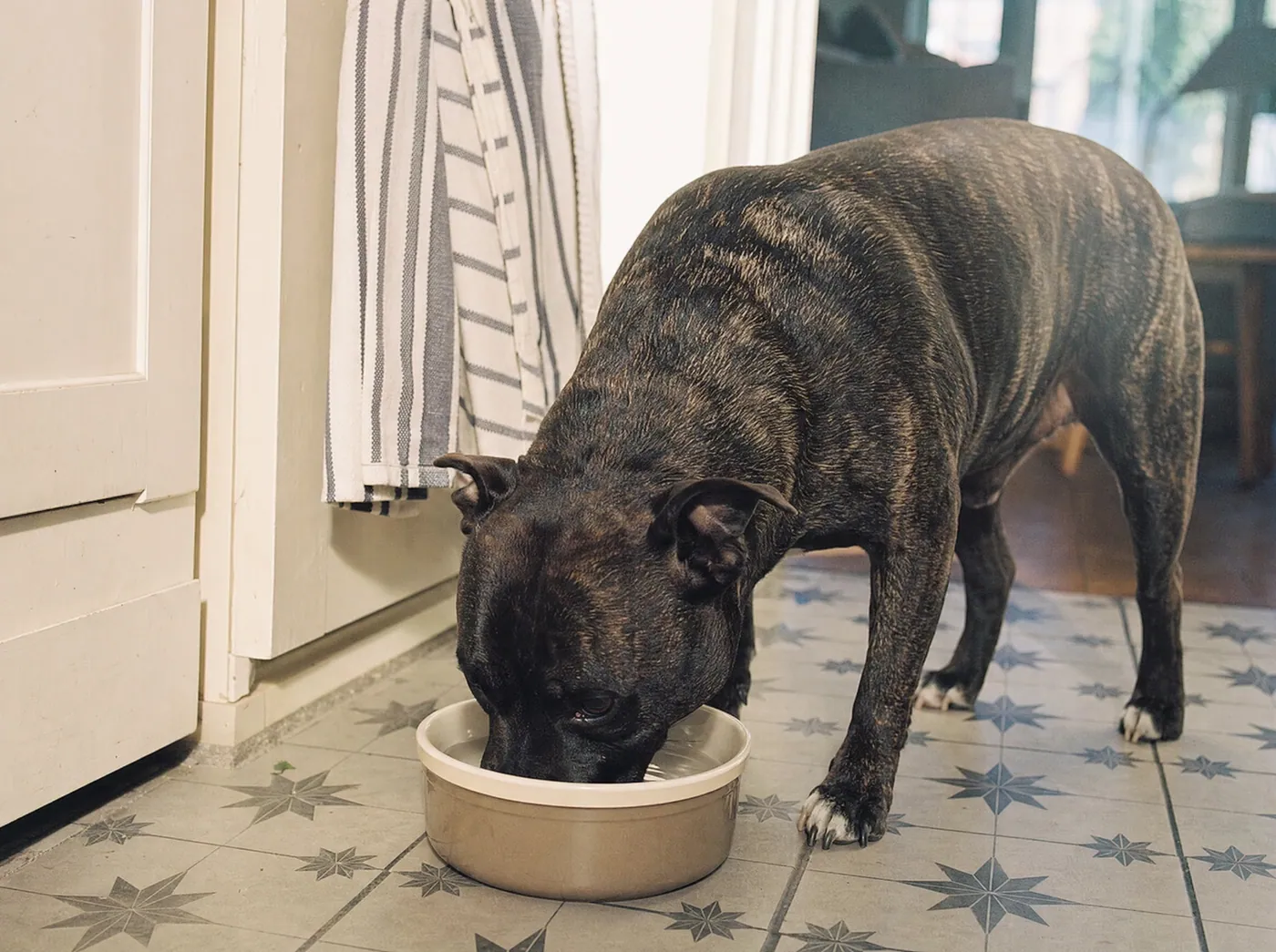
The most effective gut habits are unglamorous. Feed the same food at the same times. Change foods gradually over seven to ten days. Keep treats under about ten percent of daily calories. Use a slow feeder for dogs who inhale their meals, and keep fresh water within reach.
The most effective gut habits are the boring ones.
Read the scoop
Many vets use a simple one-to-seven stool score, where a two is firm, segmented and easy to pick up. Note the score daily for two weeks and you’ll have something far more useful than “it’s been off lately.”
Where peptides fit
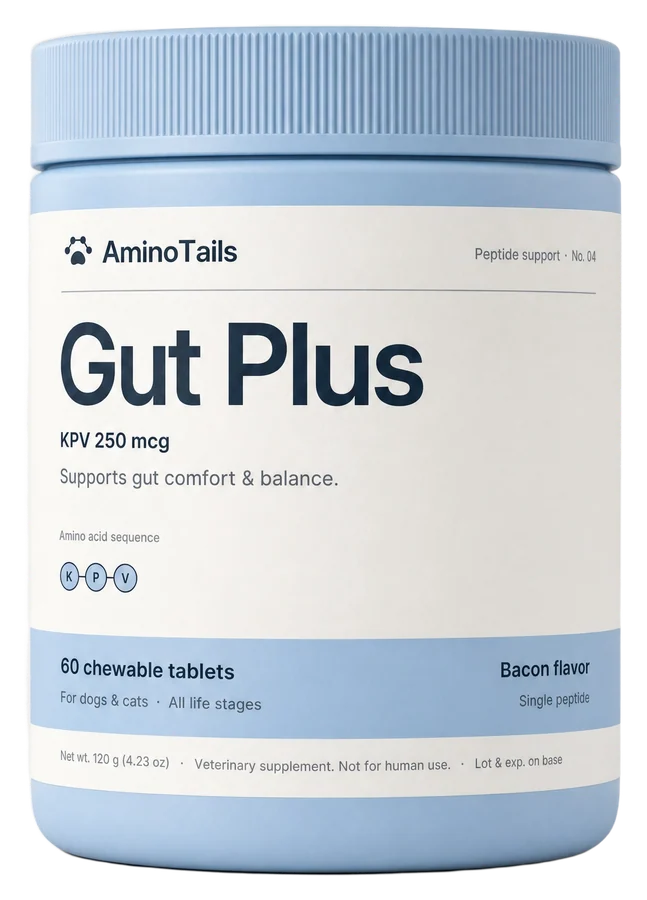
Gut Plus uses KPV — three amino acids small enough to use the gut’s own PepT1 transporter — to help maintain a calm, balanced gut. Gut Pro adds BPC-157 to support the lining itself. Both are given with the first meal of the day.
When to call the vet
Blood in stool, repeated vomiting, lethargy, or not eating for more than a day all warrant a call — sooner for puppies, seniors and small breeds, who can dehydrate quickly.
This article is for general education and isn’t veterinary advice. Every pet is different — talk to your veterinarian before starting a supplement, especially if your pet is pregnant, on medication or managing a health condition.
Formulas in this story
Shop all formulas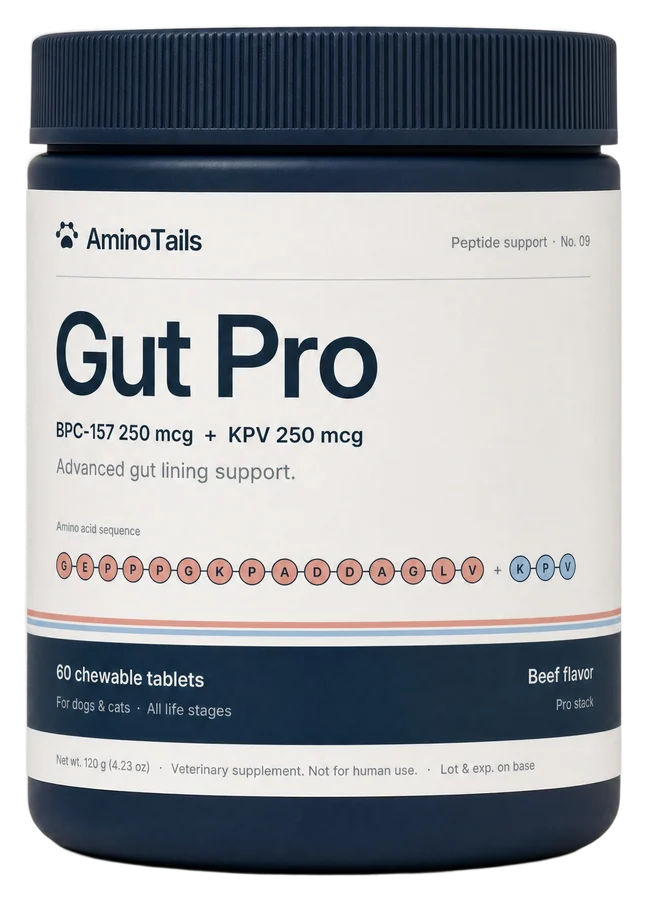
Keep reading
All stories
Night shifts: sleep, rhythm and the aging pet
Restless nights are common in older pets. Understanding their internal clock is the first step.
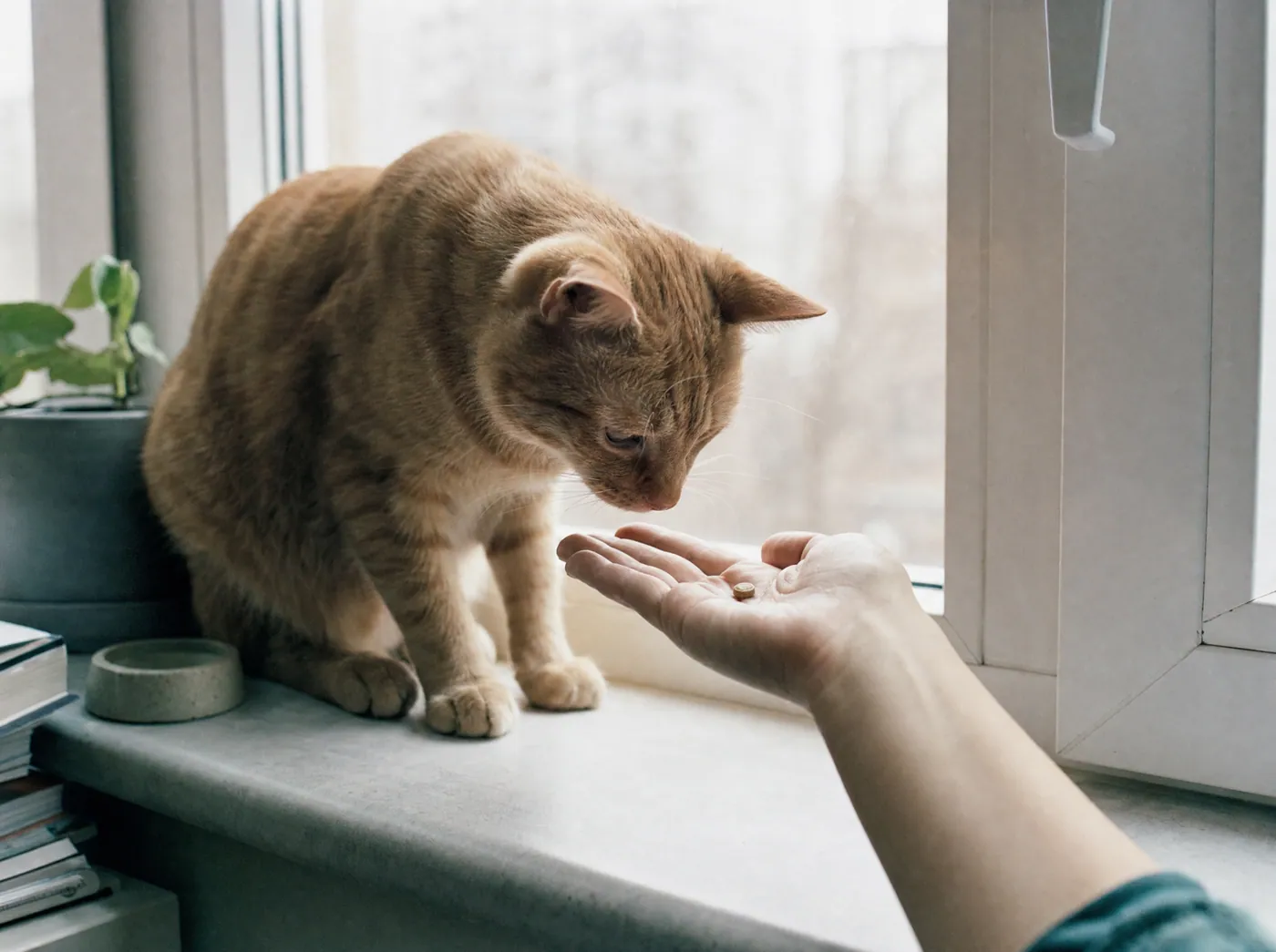
Cats are not small dogs
Feline metabolism is its own world. What that means for supplements, dosing and picky eaters.
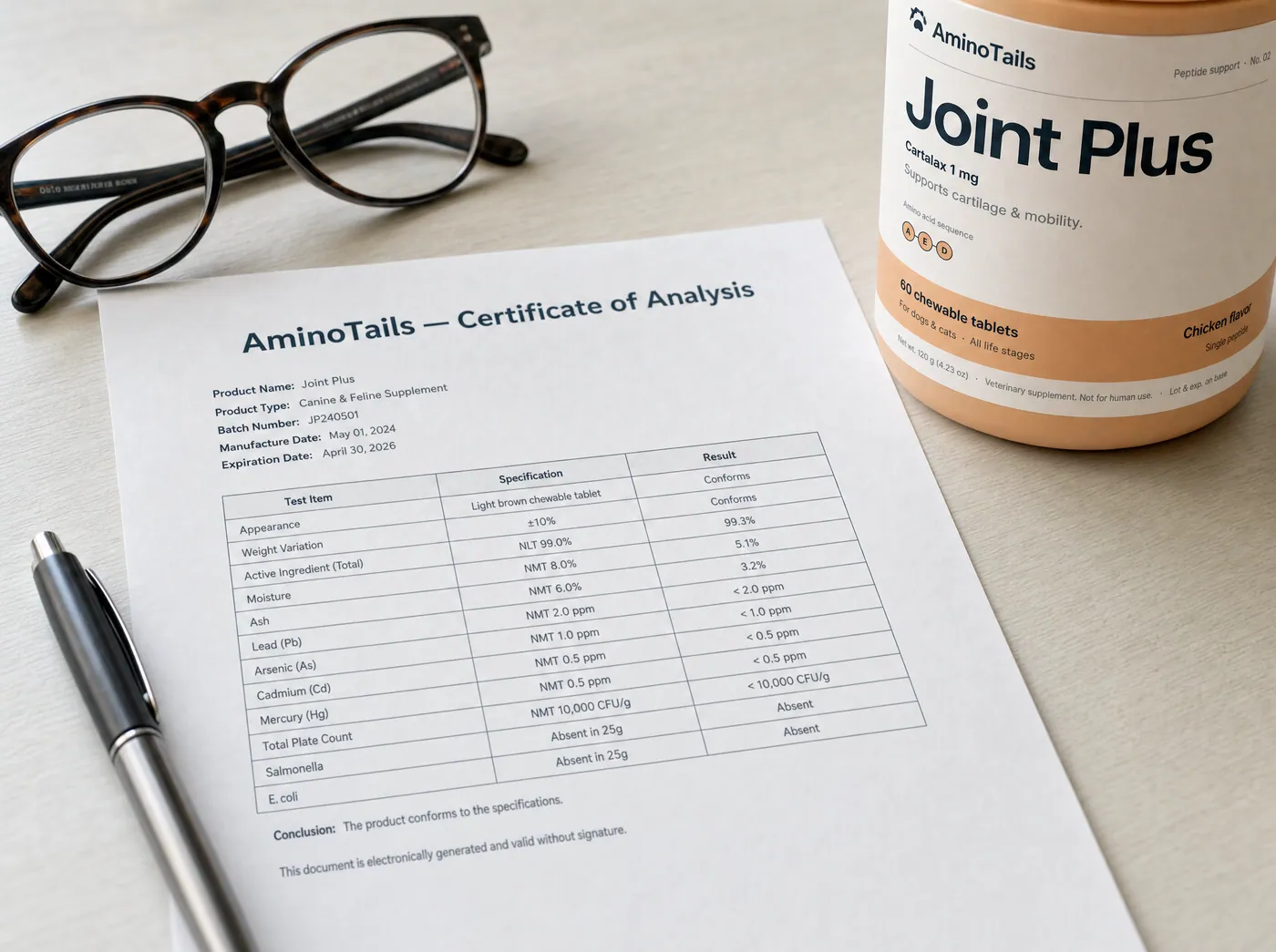
How to read a certificate of analysis
Identity, purity, contaminants: a five-minute guide to the document every supplement should come with.